RatSWD
The RatSWD connects the academic community with data-producing institutions to create a reliable framework for access to high-quality research data, thereby strengthening empirical research as the foundation for evidence-based policy.
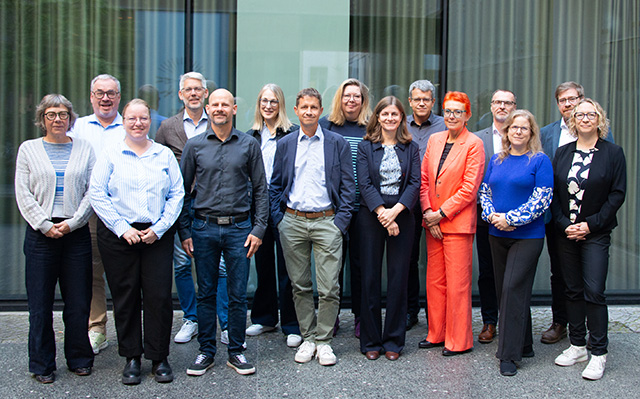
Members of RatSWD
What is the RatSWD?
- An independent advisory council to the German federal government since 2004
- 10 members nominated through an election process from the academic community and 10 members from the data producing sector
- Goal: To promote legally compliant and user-friendly access to quality-assured sensitive data
The German Data Forum (Rat für Sozial- und Wirtschaftsdaten, RatSWD) is committed to ensuring user-friendly, quality-assured and legally compliant access to sensitive research data.
Within the RatSWD, elected researchers work together with representatives from major data-producing institutions to develop recommendations for reliable framework conditions and the design of a sustainable research data infrastructure.
In this capacity, RatSWD – as an advisory body to the Federal Government – strengthens empirical research as the foundation for evidence-based decision-making and contributes to the further development of Germany as a center of scientific excellence.
RatSWD News (mostly in German)
.